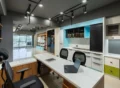
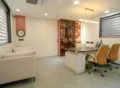
Modular kitchens, upgraded bathrooms, quality flooring, and built-in storage consistently deliver the strongest returns on home value, both in resale price and in how fast a property sells. Cosmetic changes like fresh paint, better lighting, and a false ceiling cost little but change first impressions instantly. The upgrades that matter most are the ones that improve daily usability, not just looks. buyers and appraisers both respond to homes that feel move-in ready.
Industry data from the National Association of Realtors’ Remodeling Impact Report and India-focused resale studies both point to the same pattern: kitchens, bathrooms, and storage upgrades recover the highest share of their cost at resale, while purely decorative spending often doesn’t move the needle.
10 Interior Upgrades That Actually Increase Your Home's Value
At Shades & Shapes, we’ve seen this pattern repeat across residential and office projects in Gujarat. Homes with functional, well-designed interiors don’t just sell for more, they sell faster because buyers spend less time imagining renovations and more time picturing themselves living there.
1. Modular Kitchen Renovation
The kitchen is usually the first room a buyer really looks at closely, and it’s not surprising. it’s where they judge if the home is truly ready to move into.
- Plan the layout around the stove-sink-fridge triangle before picking cabinets
- Go with neutral cabinet tones (wood, grey, white); they photograph better and appeal to more people
- Add a good countertop (quartz or granite), backsplash tiling, and a chimney point
- Budget the electrical work separately; it’s the part people most often forget to price in
2. Bathroom Upgrades
Right after the kitchen, buyers check the bathroom closely, plumbing problems are expensive to fix, so a clean, working bathroom builds trust in the rest of the home.
- Swap the faucets, showerhead, and hardware in one matching finish
- Re-tile the wet area if your budget allows it
- Add an exhaust fan to keep moisture in check
- Check the waterproofing at the joints before retiling, this step saves you a big headache later
3. Flooring Consistency and Quality
Mismatched flooring is one of those things people notice without even realizing why the home feels “off.”
- Pick one flooring type, vitrified tile, laminate, or engineered wood, and use it across all the connected rooms
- Save tile or stone for wet areas only
- Level and dry the sub-floor first; flooring laid over an uneven base tends to crack or lift within a year or two
4. Built-In Storage and Wardrobes
Storage is something buyers really care about, mostly because it means one less thing they’ll have to spend on after moving in.
- Start with wardrobes and kitchen cabinetry, these matter most to buyers
- Use modular units in laminate or veneer for something that lasts
- Add small touches like drawer dividers and shoe racks, they make storage feel thought-through
- Don’t skip the utility area or entryway; it’s cheap to fix and adds a lot of practical value
5. Lighting Design
Good lighting can change how a room feels more than a fresh coat of paint or new furniture ever could, yet it’s one of the most overlooked upgrades.
- Mix ambient light (ceiling), task light (counters, study corner), and accent light (coves, wall features)
- Swap old tube lights for warm LEDs (2700K–3000K)
- No construction needed here, this is one of the quickest wins on the list
6. Fresh Paint in Neutral Tones
Paint is still the cheapest upgrade for the impact it makes. Neutral shades help buyers imagine their own furniture in the space instead of reacting to someone else’s taste.
- Prime over dark or stained walls before repainting
- Use a washable, low-VOC paint
- Keep the same shade running through connected rooms instead of switching colors room to room
7. False Ceiling and Ceiling Design
A simple false ceiling with cove lighting gives a room a finished, designed look without touching any walls, and it hides wiring or ducting that would otherwise show.
- A gypsum board ceiling with a basic perimeter or cove design works well and doesn’t cost much
- Plan it around your existing electrical points and AC ducting first
- Keep the drop to about 6–8 inches in rooms with lower ceilings so it doesn’t feel cramped
8. Smart Home Features
Buyers in mid-to-premium homes are starting to expect these now, and skipping them can make an otherwise updated home feel a step behind.
- Start with retrofit smart switches and a video door phone, no rewiring required
- If you’re building fresh, plan the wiring for smart lighting at the electrical stage; adding it later costs more and gets messy
9. Open and Optimized Layouts
A home often feels bigger because of how the space flows, not because it’s actually larger, and buyers pick up on that instantly.
- Talk to a structural engineer first; not every wall is safe to knock down
- Once you get the go-ahead, a half-wall, breakfast counter, or level change can open things up without losing all your privacy
10. Balcony and Utility Area Design
The balcony is easy to ignore, but a well-finished one adds real value in a buyer’s eyes, especially in apartment-heavy cities like Ahmedabad, where every extra bit of outdoor space matters.
- Use anti-skid outdoor tiles with a proper drainage slope
- Add modular storage for the washing machine or other utility needs
- Finish with weatherproof surfaces and a simple railing or grille upgrade
Key Takeaways
- Kitchens and bathrooms offer the highest perceived value because buyers judge them first.
- Flooring consistency across rooms matters more than premium material alone.
- Storage (wardrobes, kitchen cabinetry, utility space) speeds up buyer decision-making.
- Lighting and paint are the lowest-cost, highest-impact upgrades available.
- Professional interior designer helps prioritize spending so money goes where it actually adds value, not just where it looks good in photos.
Conclusion
The interior upgrades that increase home value aren’t necessarily the most expensive ones, they’re the ones that solve a buyer’s practical concerns first: a kitchen that works, storage that’s built in, and a layout that feels finished. Getting this right takes planning, not just spending.
If you’re planning a residential or office interior upgrade in Ahmedabad or anywhere in Gujarat, Shades & Shapes can help you prioritize the changes that actually add value
FAQs
Which interior upgrade adds the most value to a home?
Kitchen and bathroom renovations typically add the most value because they're the spaces buyers scrutinize most closely and the ones most expensive to fix later.
Do small budget upgrades like paint and lighting really make a difference?
Yes. Fresh paint and improved lighting are low-cost, high-impact changes that immediately shift how a space feels, often influencing a buyer's first impression more than expensive structural work.
Is it worth hiring a professional interior designer before selling a home?
In most cases, yes. A designer can identify which upgrades will actually move buyer perception and pricing, helping you avoid spending on changes that don't return value.
How much should I budget for interior upgrades before selling?
This depends on the property's condition and local market, but prioritizing kitchens, bathrooms, storage, and paint typically delivers the best return relative to spend.
Do interior upgrades matter for office spaces too?
Yes. For commercial and office interiors, functional layout, lighting, and storage design affect both employee experience and how the space is valued by future tenants or buyers.