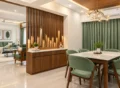
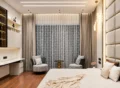
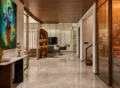
A successful interior design starts with functionality and finishes with style. Professional designers first plan the layout, storage, lighting, and movement before selecting colours, furniture, and decor. This approach creates spaces that are practical, comfortable, and visually appealing for everyday living.
Key Takeaways
- Functionality is decided before style, layout, flow, and ergonomics come first.
- A good designer plans around how your family or team actually lives and works, not just trends.
- Style choices (color, texture, lighting) should reinforce function, not fight it.
- Budget and materials are functional decisions with stylistic consequences.
- The best interiors feel effortless because the hard trade-offs were resolved early, not patched later.
What Does "Balancing Functionality and Style" Actually Mean?
Functionality refers to how well a space supports daily activities, movement, storage, comfort, and durability. Style refers to the visual identity of the space, color palettes, materials, furniture forms, and decor.
A space that is purely functional but ignores style often feels institutional and uninviting. A space that is purely stylish but ignores function becomes frustrating to live or work within months. Professional interior design exists specifically to merge these two goals into a single coherent plan.
Why This Balance Matters More
Homes and offices in Ahmedabad are getting smaller and more multi-purpose, a guest room doubles as a study, a living room hosts both family time and client meetings. This shift means designers can no longer treat function and style as separate phases. They have to be solved together, room by room.
The 5-Step Framework Professional Designers Use
At Shades & Shapes, we believe great interiors start with understanding how a space will be used, allowing us to balance everyday functionality with timeless style.
Step 1: Map How the Space Will Actually Be Used
Before any mood board or color scheme, designers ask functional questions:
- How many people use this space, and when?
- What activities happen here daily, weekly, or occasionally?
- Where does clutter naturally accumulate?
- What’s the natural light direction and airflow pattern?
This is the ergonomics stage, designing the layout to match how people genuinely move and live, not how a showroom photo suggests they should.
Step 2: Set the Budget as a Design Constraint, Not an Afterthought
A budget isn’t just a number, it’s a functional input that shapes material choices, furniture quality, and how much customization is possible. Deciding budget allocation early (structure vs. furniture vs. decor) prevents the common mistake of overspending on style elements and being forced to cut corners on durability later.
Step 3: Choose Materials That Serve Double Duty
The best materials are chosen for both performance and appearance:
Space | Functional Need | Material That Delivers Both |
Kitchen | Heat & stain resistance | Quartz or granite countertops |
Office reception | Durability + brand image | Engineered wood veneer, branded laminates |
Kids’ bedroom | Easy cleaning, safety | Matte-finish, low-VOC paint, rounded-edge furniture |
Living room | Acoustic comfort + style | Textured fabric upholstery, layered rugs |
Step 4: Design Layout Before Decor
Layout decisions where walls, storage, and circulation paths go are functional decisions with major stylistic consequences. A well-planned layout makes a room feel more spacious and stylish even before a single decorative element is added. Decor should highlight a good layout, not compensate for a bad one.
Step 5: Layer Style on Top of a Working Structure
Only once flow, storage, and ergonomics are settled do designers introduce:
- Color palette and lighting design
- Furniture style (modern, contemporary, transitional, etc.)
- Art, textiles, and accent pieces
This sequencing is the single biggest difference between interiors that feel cohesive versus interiors that feel like style was “added on” after the fact.
Common Mistakes That Break the Balance
- Choosing furniture before finalizing the layout: leads to awkward gaps or cramped circulation.
- Prioritizing trending colors over lighting conditions: a color that looks great in a showroom can look flat in a poorly lit room.
- Over-customizing storage at the expense of flexibility: built-ins for today’s needs can become useless as needs change.
- Ignoring acoustics and ventilation in open-plan designs: purely visual layouts often fail functionally within a year.
- Treating style as decoration instead of a design language: disconnected accents instead of a unified material story.
Final Thoughts
The idea that you must choose between a beautiful home and a practical one is outdated. Functionality and style aren’t competing priorities, they’re sequential steps in the same design process. Layout and ergonomics come first; aesthetics are layered on top, never in place of them.
If you’re planning a home or office interior in Ahmedabad and want a design that works as well as it looks, Shades & Shapes Studio has been balancing exactly this for residential, commercial, and retail clients across Gujarat since 2015. Explore our residential and commercial interior projects, or get in touch to discuss your space.
FAQs
How do interior designers balance functionality and style?
Interior designers combine efficient layouts, smart storage, and comfortable furniture with colors, textures, and décor to create spaces that are both practical and visually appealing.
Why is functionality important in interior design?
Functional design improves daily comfort, movement, storage, and usability, ensuring the space works efficiently for your lifestyle.
What is the role of lighting in interior design?
Lighting enhances visibility, highlights design elements, and creates the right ambiance while improving comfort and productivity.
How do designers maximize storage space?
Designers use built-in cabinets, under-bed storage, floor-to-ceiling wardrobes, and multifunctional furniture to reduce clutter and utilize every inch effectively.
What makes a good interior design?
Good interior design balances functionality, comfort, aesthetics, lighting, and storage to create a space that remains practical and timeless.
Should I hire a professional interior designer?
Yes, professional interior designers like Shades & Shapes optimize space, prevent costly mistakes, and create cohesive interiors tailored to your lifestyle, preferences, and budget.